
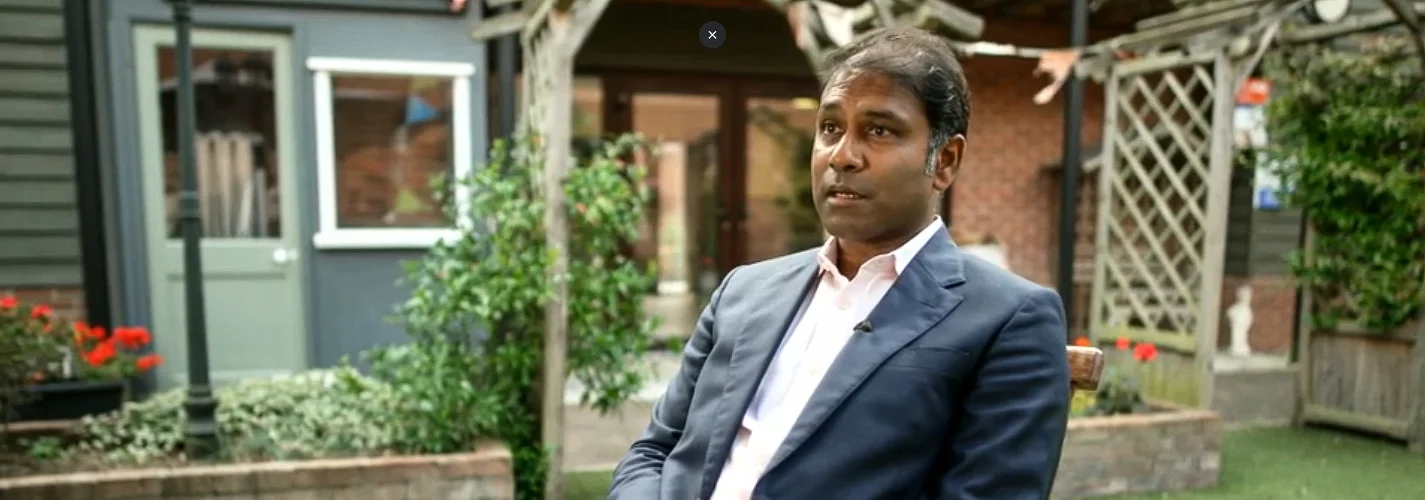
When ITV News asked me to speak in 2020 about the impact of COVID-19 on care homes, our care home was one of the first to highlight a critical issue: social care had been excluded from national planning alongside the NHS.
The consequences were devastating. Residents and staff were left vulnerable, decisions were made without considering the realities on the ground, and care homes had to manage a crisis with limited support.
Now, looking back, the key lesson is clear, if we learn anything from this challenging period, it’s that social care must be properly resourced, no different to the NHS.
View the ITV interview here >>
A crisis without a plan
At the start of the pandemic, care homes were expected to shield their residents while dealing with unclear guidance, PPE shortages, and hardly any access to testing.
Hospitals were discharging patients into care homes without COVID testing, accelerating the spread of the virus.
If care homes and social care had been included in planning from the outset, this could have been a seamless process—with proper infection control measures, testing, and resources in place. Instead, the disconnect between hospitals and care providers put lives at risk.
The impact on staff and residents
While hospitals were rightly prioritised, social care was left behind. The pressure on care home teams was enormous, staff were covering long shifts, stepping in for sick colleagues, and even moving into care homes to reduce the risk of infection.
Residents were cut off from their families, and many spent their final days isolated from loved ones. The emotional and mental toll was profound, and even now, the sector is still recovering.
Despite being called ‘heroes,’ social care workers were treated as an afterthought. Funding was slow, and when it did arrive, it often failed to address the real pressures on the workforce.
The crisis revealed not just the immediate issues of the pandemic but the long-standing neglect of the sector.
The path forward: making social care a priority
The pandemic exposed how vulnerable care homes are when they are not part of the wider healthcare system’s planning. If we want to avoid a repeat of this crisis, social care must be fully integrated into emergency response strategies.
That means:
Equal Resourcing – Social care must receive funding and support in line with the NHS to ensure staff, equipment, and infrastructure are in place before a crisis hits.
Better Workforce Investment – Pay, training, and career pathways in social care must be improved to build a skilled and resilient workforce.
Clearer Collaboration with the NHS – Care homes and hospitals must work as one system, ensuring that policies, discharge processes, and crisis responses are coordinated.
Looking ahead
When I spoke to ITV News in 2020, I wanted to make sure the public understood the reality of what was happening in care homes. Now, as we move forward, we have the opportunity to build a better, more resilient care sector.
Social care must never be left to fend for itself again. If we act now, funding it properly, integrating it with the NHS, and valuing the people who work in it, we can create a system that is prepared for future challenges, rather than reacting to them too late.